
Door Guillotine: Definition, Uses, And Installation
A door guillotine is a specialized mechanism used in critical areas requiring fire and smoke insulation. Available as door bottom guillotines and door top guillotines, these systems are designed to enhance door sealing, preventing the passage of fire and smoke. They play a vital role in building safety and compliance with fire regulations. Proper installation of door guillotines optimizes door performance and ensures adherence to safety standards. Simply put, a guillotine is a device mounted at the bottom or top of a door with an automatic closing feature and smoke-sealing properties. It serves as a crucial barrier during fire incidents by blocking smoke spread. Technically, installing door guillotine systems requires accurate measurements, suitable material selection, and professional workmanship to maximize fire safety efficiency. This article provides an in-depth look at what door guillotines are, their purposes, and installation processes.

Door guillotines hold a significant place in modern building safety and fire regulations. Specifically developed to ensure fire and smoke tightness, these systems consist of specialized mechanisms installed at the bottom and top edges of doors. There are two main types: door bottom guillotine and door top guillotine. In the event of a fire, they automatically activate to seal the gaps between the door and the floor or upper frame. This prevents fire and smoke from spreading to other areas. Thanks to these features, door guillotines are critical for both life safety and structural protection.
Understanding what a guillotine is and why it is used is essential to grasp the system's core function. A door guillotine is a mechanical component mounted at the bottom or top of a door for fire insulation purposes. It quickly closes during a fire, blocking smoke and flames. This ensures compliance with fire safety standards and secures safe evacuation routes inside the building. Additionally, smoke-proof guillotine designs are also used in daily settings to improve indoor air quality and energy efficiency. This article thoroughly examines the technical details, uses, and installation methods of door guillotines.
What Is a Door Guillotine? Its Purpose and Installation Process
Definition and Working Principle of Door Guillotine
A door guillotine is a mechanical system designed to seal the gap between a door and the floor or upper frame. It is used to provide fire and smoke tightness. The system remains stationary when the door is open and automatically closes to seal gaps when the door shuts. This mechanism forms a critical barrier to prevent the spread of smoke and flames during a fire.
There are two main types: door bottom guillotine and door top guillotine. The door bottom guillotine is installed at the lower edge of the door, while the door top guillotine is mounted at the upper edge. Both types are made from fire-resistant materials compliant with safety standards and withstand high temperatures. Their operation ensures complete sealing of gaps when the door closes.
Uses of Door Guillotine
Primarily, door guillotines are used for fire insulation. During a fire, they prevent smoke and flames from spreading to other parts of the building, enhancing life and property safety. These systems are especially preferred for fire doors and emergency exits. The door bottom guillotine seals gaps at the floor level to block smoke, while the door top guillotine performs a similar function at the top of the door.
Moreover, smoke-proof guillotine models are used beyond fire scenarios to improve indoor air quality and energy efficiency. This reduces heat loss inside buildings and increases comfort. Door guillotines are also essential components for complying with fire safety regulations.
Importance of Door Guillotine Installation and Preparation
Installing a door guillotine is a critical step to ensure the system functions effectively. Before installation, accurate measurements of the door, door type, and the selected guillotine model must be determined. Incorrect measurements or incompatible products can negatively impact system performance. Therefore, detailed technical assessment and planning are necessary during installation.
During preparation, the bottom and top parts of the door must be clean and even. The fire resistance and material compatibility of the mounting surfaces are checked. Additionally, screws and fasteners used must meet standards. These preparations form the foundation for the guillotine’s long-lasting and reliable operation.
Steps for Installing a Door Guillotine
Door guillotine installation follows a series of technical steps. First, the appropriate guillotine model is selected for the door bottom or top. Next, mounting points on the door are marked and drilled accordingly. The guillotine mechanism is carefully positioned and secured at these points.
The mechanism’s mobility is tested during installation. It is ensured that the guillotine fully seals the gaps when the door opens and closes. Finally, the system’s sealing performance is measured and adjusted if necessary. This process guarantees the door guillotine’s full functionality for fire and smoke tightness.
Technical Features of Guillotines for Fire Insulation
Door guillotines used for fire insulation are made from high-temperature resistant materials. Heat-resistant rubber seals and metal body structures maintain structural integrity during fires. These systems are tested according to fire resistance standards such as TS EN 1634-1.
Smoke-proof guillotine models incorporate special seals and mechanisms to minimize smoke and air leakage even outside fire conditions. Door guillotines enhance the performance of fire doors and contribute to overall building safety. Technical specifications may vary depending on installation and usage conditions, but the primary goal is always high performance and reliability.
Differences Between Door Bottom and Door Top Guillotines
The door bottom guillotine is installed at the lower edge of the door, typically sealing the gap between the door and floor. This type is particularly effective at preventing smoke spread near the floor and requires precise measurement and installation close to the ground.
The door top guillotine is mounted at the upper edge of the door. It is designed mainly for fire doors to block smoke and heat from passing over the door’s top. Installation must be compatible with the door frame to ensure smooth mechanism operation. Both types provide complementary solutions for fire and smoke insulation.
Maintenance and Testing Procedures
The effectiveness of door guillotine systems depends on regular maintenance and testing. Periodic inspections after installation ensure smooth operation and sealing performance. Maintenance includes checking the mechanism’s movement, seal condition, and the integrity of mounting components.
Given their critical role in fire safety, tests are usually conducted according to relevant standards. Post-installation tests verify fire and smoke sealing performance. Maintenance and testing procedures support the system’s long-term reliability and effectiveness.
As a technical system designed for fire and smoke insulation, door guillotines play a crucial role in building safety. Door bottom and door top guillotine options are selected based on specific needs and installed meticulously. With proper installation and upkeep, these systems enhance life and property safety during fires by preventing smoke spread. Therefore, understanding and applying the technical features, purposes, and installation processes of door guillotines is essential.
İlgili Ürünler
Astonished Pattern Ready Made Cnc Door Window Frame

Arma Glass and Slatted Apartment Steel Door

Armada Double Leaf Villa Entrance Door
Obsidian Gray Hospital Door with Kick Plate and Stretcher
Natural Modern White Fire-Rated Hotel Door

Modern Teak Fire-Rated Hotel Door Compatible with Card Access Systems

Gray Sonoma Card Lock Compatible Fire-Rated Hotel Door
Kazbegi Oak Kick-Resistant Laminate Hospital Door
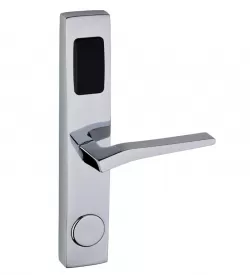
Este Novita Card Reading Hotel Door Lock
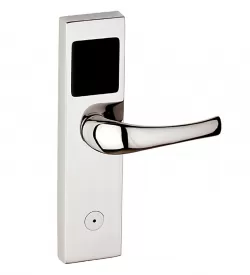
Moderna Tiffany Card Lock Hotel Door Handle
- Blog Comments