
Waterproof Door Materials And Price Comparison
Waterproof doors are essential building components, especially chosen for areas exposed to moisture and water to ensure durability and security. These doors are manufactured using various materials, each differing in water resistance, durability, and cost. Common waterproof door materials include PVC, aluminum, composite, and steel. Material selection depends on the specific requirements of the installation area, and waterproof door prices vary accordingly. Selecting durable door options requires balancing performance and budget considerations. Waterproof door models come with diverse mechanical strengths and aesthetic features in the market. Affordable waterproof doors are favored for their technical specifications and long-lasting construction. This article provides an in-depth look at the materials used for water-resistant doors, price comparisons, and technical details.
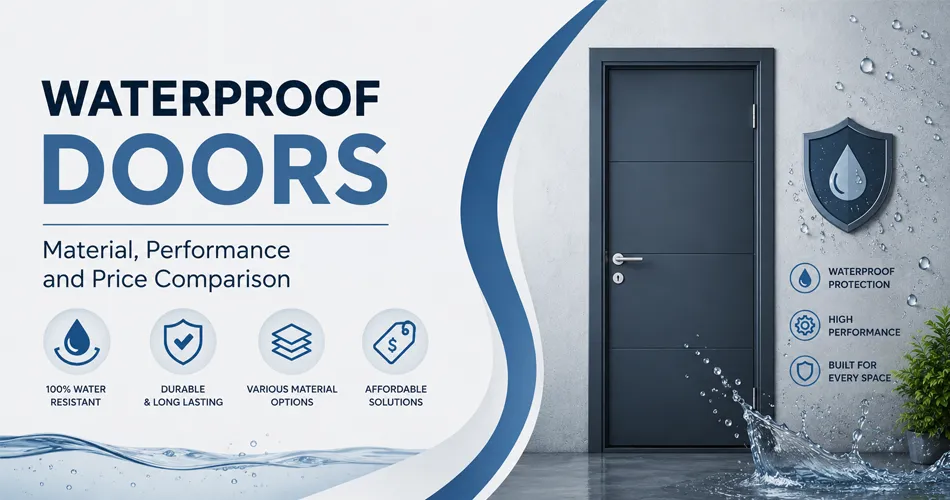
Waterproof doors are indispensable in high-moisture environments such as outdoor areas, basements, bathrooms, and industrial spaces. Key factors in choosing these doors include material quality, durability, lifespan, and cost. The right material choice not only ensures water tightness but also affects maintenance needs and long-term performance.
Prices for waterproof doors vary depending on the material type, door dimensions, and manufacturing technology. The market offers a wide range of water-resistant door models, making it important to compare their technical features and prices to find the best fit. A detailed material comparison highlights the advantages and disadvantages of each option.
Material and Price Comparison for Waterproof Door Selection
Technical Features of Waterproof Door Materials
Popular waterproof door materials include PVC, aluminum, composite, and steel. PVC doors offer high water resistance and are lightweight, making installation easier. Aluminum doors are known for durability and corrosion resistance, making them ideal for outdoor use. Composite materials combine different components to provide excellent waterproofing and offer diverse design options. Steel doors deliver superior strength and security but require special coatings for water protection.
Each material has unique physical and chemical durability characteristics. For example, PVC doors resist swelling and deformation in humid environments, while aluminum doors have a long lifespan due to rust resistance. Composite doors stand out with both waterproofing and thermal insulation properties. Steel doors offer high impact resistance but may need maintenance if water remains on the surface for extended periods.
Performance Comparison of Water-Resistant Door Models
Water-resistant doors differ in mechanical strength, water tightness, and insulation performance. PVC doors provide effective protection where direct water contact occurs. Aluminum doors are favored for their durability and wide range of aesthetic options. Composite doors combine waterproofing with thermal insulation. Steel doors are widely used in industrial settings for their high security level.
Performance is tested according to ASTM or EN standards to measure water tightness, durability, and longevity. Waterproof door models are classified based on these standards and evaluated for suitability in different applications. Selecting durable door options requires choosing models that meet technical requirements for their intended use.
Door Material Comparison and Durability Analysis
When comparing door materials, factors such as water resistance, mechanical strength, maintenance needs, and aesthetics are considered. PVC doors offer low maintenance advantages, aluminum doors are long-lasting and rust-resistant, composite doors provide excellent insulation and waterproofing, while steel doors deliver high durability and security but require regular upkeep.
Regarding durability, composite and aluminum doors perform well in outdoor wet conditions. PVC doors are preferred for indoor and humid environments. Steel doors are commonly used in security-sensitive areas, with the quality of protective coatings impacting their performance. Therefore, material selection should be based on technical analysis tailored to usage conditions.
Waterproof Door Prices and Budget Analysis
Waterproof door prices depend on material quality, manufacturing technology, door size, and additional accessories. PVC doors are generally budget-friendly, aluminum and composite doors fall into the mid-range segment, and steel doors are positioned in the premium segment due to their durability and security features.
Price comparisons should consider not only initial costs but also maintenance and replacement expenses over the door’s lifespan. Affordable waterproof doors must meet technical requirements and offer long-term durability to ensure overall cost-effectiveness. The market offers waterproof doors across various price ranges, which should be evaluated based on technical specifications.
Affordable Waterproof Door Options
Affordable waterproof doors are especially suitable for projects with budget constraints. PVC doors stand out in this category due to their low production costs and high water resistance. Some aluminum door models also offer cost-effective options. Composite door typically fall into the mid-price range, balancing durability and cost.
Affordable door options should be manufactured according to technical standards and pass waterproofing tests. These doors provide reliable water-resistant solutions for residential and commercial spaces. Selecting budget-friendly models from durable door options is possible by meeting technical requirements aligned with the intended use.
Installation and Maintenance Techniques for Water-Resistant Doors
The performance of water-resistant doors is enhanced through proper installation and regular maintenance. During installation, ensuring the door frame is watertight and applying seals and insulation materials correctly is crucial. Improper installation can compromise waterproofing and cause premature damage.
Maintenance involves cleaning door surfaces, checking seals, and lubricating mechanical parts. Steel doors require regular renewal of protective coatings to prevent rust. PVC and aluminum doors need less maintenance but periodic inspections are important to sustain performance.
These technical practices support the long-lasting and safe use of waterproof doors. Adhering to standards during installation and maintenance preserves the doors’ technical properties.
When selecting waterproof doors, material type, performance features, and price should be evaluated together. Material and price comparisons based on technical criteria enable choosing the most durable and cost-effective door for the intended application. This ensures water-resistant doors provide optimal functionality and value over time.
İlgili Ürünler
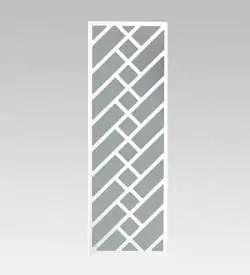
Astonished Pattern Ready Made Cnc Door Window Frame
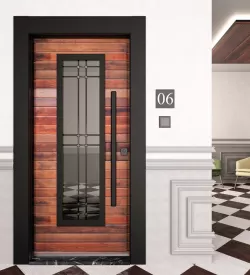
Arma Glass and Slatted Apartment Steel Door

Armada Double Leaf Villa Entrance Door
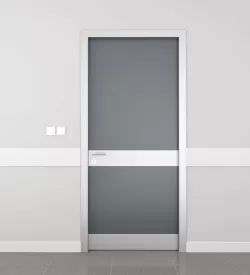
Obsidian Gray Hospital Door with Kick Plate and Stretcher
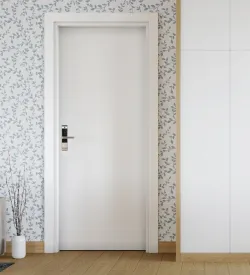
Natural Modern White Fire-Rated Hotel Door
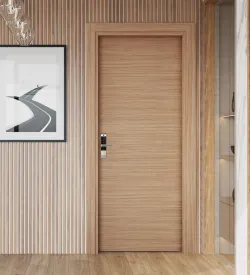
Modern Teak Fire-Rated Hotel Door Compatible with Card Access Systems

Gray Sonoma Card Lock Compatible Fire-Rated Hotel Door
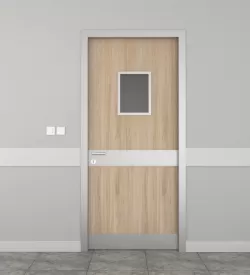
Kazbegi Oak Kick-Resistant Laminate Hospital Door
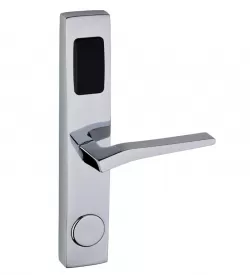
Este Novita Card Reading Hotel Door Lock
Moderna Tiffany Card Lock Hotel Door Handle
- Blog Comments