
Selecting Fire-Resistant Doors And Fire Safety Essentials
Fire-resistant doors are among the most critical components of fire safety systems, designed to ensure safe evacuation during a fire emergency. These doors resist high temperatures and flames, preventing fire spread and playing a vital role in reducing casualties. Choosing the right fire-resistant door goes beyond material quality and durability; it also involves considering installation, certifications, sealing properties, and suitability for intended use. Therefore, understanding fire door features and selecting products compliant with standards is a fundamental step in fire safety planning. Especially in public buildings, workplaces, and residential complexes, using fire-resistant doors is not only a legal requirement but also a crucial measure to protect lives and property. This article provides an in-depth look at the technical specifications, selection criteria, and importance of fire-resistant doors in fire safety.
Fire-resistant doors are specially designed products that enhance building safety during fires. They function to block fire spread and create secure evacuation routes. Selecting the correct fire door is a cornerstone of any fire safety strategy, and choosing products that meet technical standards is critical to preventing loss of life.
Fire door features include multiple technical criteria such as material quality, fire resistance duration, installation methods, and certifications. Knowing and evaluating these factors ensures the door performs effectively during a fire. Hence, having comprehensive knowledge of the technical details and standards to consider when selecting fire-resistant doors is essential.
Key Considerations When Choosing Fire-Resistant Doors
Fire Resistance Duration and Testing Standards
A primary characteristic of fire-resistant doors is their ability to withstand high temperatures for a specified period, typically classified as 30, 60, 90, or 120 minutes. This rating indicates how long the door can protect the structure during a fire. The resistance duration is determined through standardized fire safety tests.
International and national standards provide various testing methods to assess fire door performance. For example, the EN 1634-1 standard is widely used in Europe. These tests evaluate the door’s resistance to flames and heat, smoke tightness, and structural integrity. Doors that pass these tests receive certification confirming their fire protection capabilities for the specified durations.
Material Selection and Door Construction
The materials used in manufacturing fire-resistant doors directly impact their performance. Steel, aluminum, and specially treated fire-resistant wood are the most common choices. Steel doors stand out for their high heat resistance and structural strength, while wood doors undergo special fire-retardant treatments.
The core filling materials inside the door also enhance fire resistance. Materials such as mineral wool, stone wool, and specialized fire-resistant foams provide thermal insulation. Additionally, the surface coating of the door plays a crucial role in increasing heat resistance. These technical details are critical factors determining the door’s effectiveness during a fire.
Sealing and Smoke Control Features
Fire-resistant doors must not only resist flames and heat but also prevent smoke leakage. Smoke is one of the most dangerous elements during a fire, and its infiltration can rapidly degrade indoor air quality. Therefore, seals and gasketing systems around the door edges are essential.
Intumescent seals used in fire doors expand when exposed to high heat, sealing gaps and blocking smoke passage. This feature is vital for fire safety. Proper attention to sealing details during installation directly affects the door’s performance.
Certification and Compliance with Legal Standards
Certification documents demonstrate a fire-resistant door’s reliability and compliance with standards. Marks such as the CE label, TSE fire door certification, and other international certificates prove that the door has passed required tests and meets performance criteria. These certifications confirm that the product has undergone quality control and is suitable for fire safety.
Legal regulations often mandate the use of fire-resistant doors in public and high-occupancy buildings. Therefore, ensuring the door complies with relevant laws and holds necessary certifications is crucial for both safety and legal responsibilities. Using uncertified products can pose serious risks during a fire.
Installation and Maintenance Requirements
The effectiveness of fire-resistant doors depends not only on product quality but also on proper installation and regular maintenance. Installation materials and methods directly influence the door’s functionality and durability. Incorrect installation can cause the door to fail during a fire.
Routine maintenance and periodic inspections ensure mechanical parts and sealing elements remain functional. Checking hinges, locks, and seals is critical for fire safety. Neglecting maintenance can reduce the door’s performance and increase risk in an emergency.
Door Design and Suitability for Intended Use
Fire-resistant doors are manufactured in various designs and sizes based on their application. Different standards may apply for emergency exits, stairwells, or technical rooms. Selecting a door that matches the specific requirements of the installation area is important.
Design considerations also include ensuring the door opens quickly and does not obstruct evacuation. Aesthetic and functional features are evaluated for compatibility with the building’s interior. These technical aspects require a comprehensive approach in fire safety planning.
Documentation and Traceability of Fire Door Features
Documenting the features of fire-resistant doors guarantees product quality and performance. Manufacturers provide technical specifications and test results, enhancing traceability and reliability.
This documentation process confirms compliance with standards and all fire safety criteria. It also facilitates verification during fire safety inspections, offering a significant advantage in building safety management.
Choosing fire-resistant doors is a complex process that demands careful evaluation of technical details. Fire resistance duration, material properties, sealing performance, certifications, and installation conditions are all critical for fire safety. Proper selection and regular maintenance protect the structure and save lives during a fire. Therefore, selecting and using fire-resistant doors that meet technical standards is a fundamental element of any fire safety strategy.
İlgili Ürünler

Akça Oak 30-Minute Fire-Resistant Hotel Door

Alya Fire-Resistant Hotel Room Door

Montana 30-Minute Fire-Resistant Hotel Door
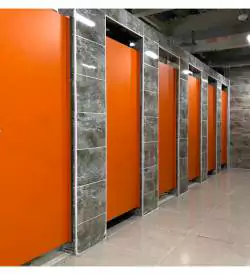
Compact Laminate Wc Doors

Laminate Frame And Double Leaf Hospital Doors

Compact Laminate Wc Doors And Partitions

Double Leaf Laminate Hospital Doors

Single Color Laminate Locker With Two Doors

4 Doors Compact Laminate Locker

Salerno 30-Minute Fire-Resistant Hotel Door
- Blog Comments