
Door Surface Selection And Durable Door Materials
The technical specifications, durability, and aesthetic compatibility of the material used in door surface selection are critical for the safety and longevity of buildings. Door surfaces must be made from appropriate materials that can withstand external factors and be chosen correctly according to their intended use. In this context, materials such as wood, metal, laminate, and composite offer distinct advantages among door material options. Durable door surfaces especially need to deliver high performance against weather conditions, impacts, and wear in outdoor applications. Additionally, maintenance requirements and environmental compatibility of the door surface should be considered during the selection process. This article provides a comprehensive industry perspective by thoroughly examining the technical criteria, material properties, and durability factors involved in door surface selection.

Choosing the right door surface is a key factor that determines the quality of buildings both aesthetically and functionally. Door materials vary in durability and maintenance needs depending on their application. Therefore, the technical properties and resistance to environmental factors of the chosen door surface material must be carefully analyzed.
Today, materials used for door surfaces have diversified and improved in performance thanks to technological advancements. Durable door surfaces ensure long-lasting use, especially in outdoor settings, contributing to the overall security of the structure. This article discusses the essential technical features and industry practices to consider when selecting door surfaces.
Technical and Durability Criteria to Consider When Choosing Door Surfaces
Technical Properties of Door Surface Materials
Materials used for door surfaces differ in structural durability and aesthetic qualities. Wooden doors are favored for their natural appearance and insulation benefits, while metal doors offer high strength and security. Laminate and composite surfaces stand out for their scratch resistance. Key technical parameters such as material density, elasticity, and surface hardness directly affect the door’s lifespan.
For exterior doors, resistance to water, heat, and UV rays is especially crucial. Verifying these technical properties through laboratory testing during material selection ensures the door’s long-term performance. Furthermore, the suitability of the door surface for its intended application is an important factor influencing material choice.
Characteristics of Durable Door Surfaces
Durable door surfaces must resist mechanical wear, chemical exposure, and environmental factors. These doors are preferred in high-traffic areas and outdoor installations. Scratch resistance, impact strength, and waterproofing are fundamental indicators of durability for surface coatings.
Coating techniques and material components used to enhance door surface durability are also significant. For example, UV-protected paints and water-repellent coatings increase resistance to external elements. Maintenance requirements and ease of cleaning are additional durability considerations.
Thermal and Acoustic Insulation in Door Surfaces
Door surfaces play a vital role not only in appearance and durability but also in thermal and sound insulation. The thermal conductivity of the material directly impacts the door’s energy efficiency. Doors with high thermal insulation improve indoor comfort while reducing energy consumption.
Sound insulation is particularly important in residential and commercial buildings. The structural density of door surfaces and the filling materials used should be designed to minimize sound transmission. Therefore, thermal and acoustic insulation performance are evaluated within technical standards when selecting door materials.
Aesthetic and Functional Compatibility in Door Surface Selection
The choice of door surface material should harmonize with the overall architectural design. Aesthetic criteria are met through options in color, texture, and finish. However, aesthetic preferences must not compromise technical durability and intended use.
From a functional perspective, considerations include suitability for the usage area, weight, ease of maintenance, and installation features. These factors directly affect the door’s performance and lifespan. Hence, achieving a balance between aesthetics and functionality is essential in door surface selection.
Environmental Impact and Door Surface Durability
Door surfaces must demonstrate varying levels of durability depending on the environmental conditions they face. Exterior doors must withstand high resistance against moisture, rain, sunlight, and temperature fluctuations. For interior doors, moisture and impact resistance are primary criteria.
Analyzing environmental factors during material selection is a crucial step in extending the door’s service life. Additionally, opting for eco-friendly and recyclable materials supports sustainable building practices. Therefore, environmental considerations are central to the technical evaluation of door surface choices.
Ease of Maintenance and Repair
Regular maintenance and easy repair processes are important for the longevity of door surfaces. Some materials maintain their performance through protective surface treatments, while others require specialized care. This aspect affects usage costs and sustainability.
Ease of maintenance is especially preferred in commercial and public buildings. Durable door surfaces allow quick and cost-effective repair of minor damages. Thus, maintenance and repair processes should be technically assessed when selecting door surfaces.
Standards and Certifications in Door Surface Selection
Compliance of door surface materials with national and international standards is a fundamental indicator of quality and reliability. Certifications such as CE, ISO standards, and others validate the technical performance of materials. These certifications ensure that door surfaces meet durability, safety, and environmental compatibility criteria.
Adherence to standards is critical for building safety and user health. Certification of door materials guarantees quality control from manufacturing to installation. Therefore, certifications are an integral part of the technical evaluation in door surface selection.
Careful analysis of technical details and material properties in door surface selection is essential for building durability and user comfort. Material choice should consider environmental conditions, aesthetic preferences, and functional needs. Durable door surfaces offer long service life and low maintenance costs. Hence, compliance with technical standards and performance features is crucial from an industry perspective.
İlgili Ürünler
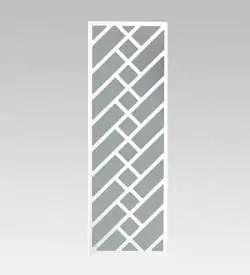
Astonished Pattern Ready Made Cnc Door Window Frame
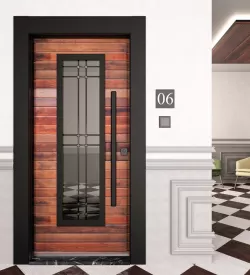
Arma Glass and Slatted Apartment Steel Door

Armada Double Leaf Villa Entrance Door
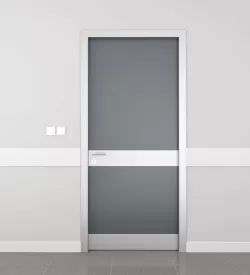
Obsidian Gray Hospital Door with Kick Plate and Stretcher
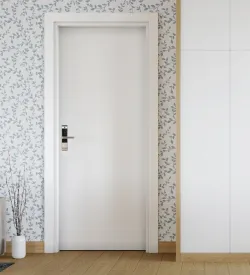
Natural Modern White Fire-Rated Hotel Door
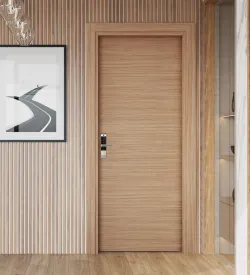
Modern Teak Fire-Rated Hotel Door Compatible with Card Access Systems
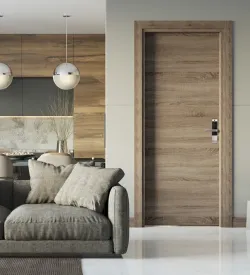
Gray Sonoma Card Lock Compatible Fire-Rated Hotel Door
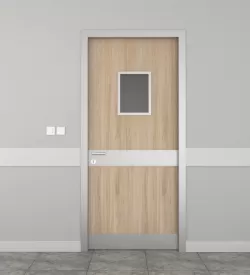
Kazbegi Oak Kick-Resistant Laminate Hospital Door
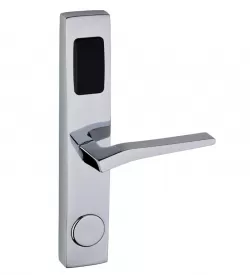
Este Novita Card Reading Hotel Door Lock
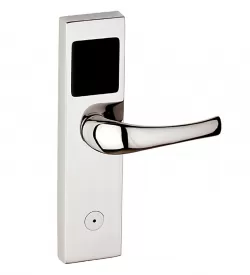
Moderna Tiffany Card Lock Hotel Door Handle
- Blog Comments