
Key Considerations For Door Guillotine Installation
Installing door guillotine systems is a critical process that directly impacts building security, energy efficiency, and comfort standards. Proper installation of various types such as under-door guillotines, recessed guillotines, and over-door guillotines is essential for optimal functionality and durability. Installation precision is especially crucial for specialized products like smoke-proof and pest-proof guillotines. Fire-resistant under-door guillotine applications must be carried out meticulously to comply with fire safety regulations. This article covers the technical details, preparation steps, and installation procedures necessary for successful door guillotine setup. Factors such as material quality, measurement accuracy, and the choice of installation tools significantly affect system performance. Post-installation testing and inspections are mandatory to ensure long-lasting and effective operation. This guide serves as a reliable resource for industry professionals and technical teams.
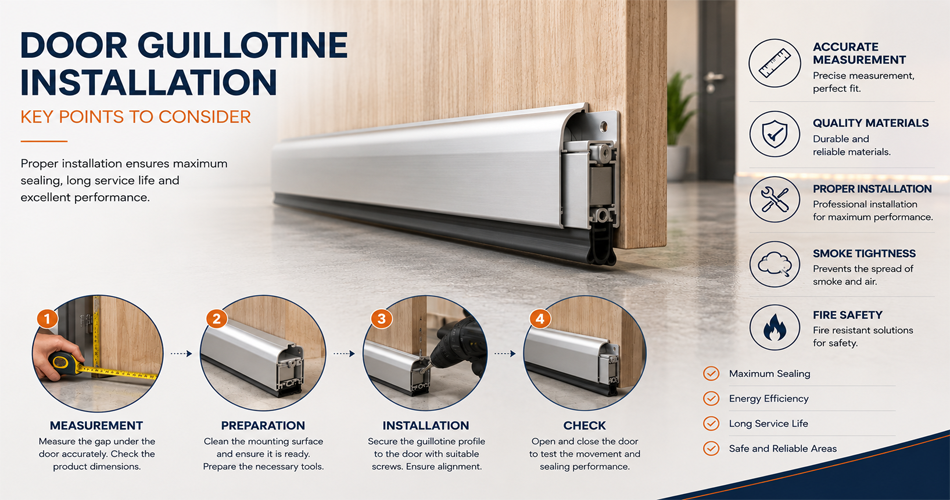
Door guillotine systems involve various technical requirements for under-door and over-door applications. Installation goes beyond simply placing the product; it must guarantee the system's functionality and durability. Incorrect or incomplete installation can reduce performance and pose safety risks. Therefore, installation methods and key considerations are defined according to industry standards.
Installing different types such as under-door, recessed, and over-door guillotines requires technical expertise tailored to each product's structural features. For smoke-proof guillotines, correctly positioning sealing components and minimizing gaps between the door and floor are critical. Similarly, pest-proof guillotines demand meticulous installation of features that prevent insect entry. Fire-resistant under-door guillotine systems require materials and installation techniques that comply with fire safety regulations.
Technical and Industry Factors to Consider in Door Guillotine Installation
Preparation and Measurement Accuracy Before Installation
Before beginning installation, the area must be measured thoroughly. Accurate measurements directly influence product functionality and prevent post-installation mismatches. For under-door and over-door guillotines, the flatness of the floor and door surfaces should be verified. In recessed guillotine installations, the door frame’s internal structure must be assessed for compatibility.
It is also important to eliminate moisture, dust, and other environmental factors from the installation site beforehand. This is particularly vital for sensitive systems like smoke-proof guillotines to enhance sealing performance. Calibration and suitability of measuring devices used during preparation also contribute to installation quality.
Material Selection and Suitability Criteria
The quality of materials used in door guillotine installation ensures system longevity and reliability. For fire-resistant under-door guillotine systems, materials must meet fire safety standards, offering high heat resistance and fire-retardant properties.
In pest-proof guillotine applications, material durability and protective features are prioritized. Stainless steel or specially coated materials are preferred to create effective barriers against pests. Additionally, the quality of seals and gaskets used in smoke-proof guillotines directly affects post-installation performance.
Installation Techniques and Process
For under-door and over-door guillotines, correct positioning and secure fastening of the product are essential. In recessed guillotine systems, structural integrity and alignment within the door frame are priorities. Choosing appropriate screws, connectors, and support fixtures during installation enhances system stability.
Another critical aspect is allowing sufficient clearance for moving parts to operate smoothly, ensuring the guillotine opens and closes without issues. Functional tests after installation are mandatory to confirm proper operation.
Impact of Smoke-Proof and Pest Protection Features on Installation
In smoke-proof guillotine systems, proper placement of sealing gaskets and ensuring full contact between the door and floor surfaces are essential to prevent smoke spread during a fire, enhancing building safety. Compliance of installation materials with fire standards is also crucial.
For pest-proof guillotines, grills or filter elements must completely cover the under-door gap to block pest entry without hindering airflow. Balancing protection and functionality during installation is therefore necessary.
Fire-Resistant Under-Door Guillotine Installation Standards
Installing fire-resistant under-door guillotines must adhere to fire safety regulations, covering material types, installation methods, and sealing performance. Conducting fire resistance tests during installation guarantees system effectiveness.
Maintaining minimal gaps between the door and floor is a critical factor in preventing fire spread. All connectors and fixtures must be made from fire-resistant materials to preserve system integrity and enhance safety during emergencies.
Post-Installation Inspection and Maintenance Procedures
After installation, functional testing is required to ensure smooth operation of under-door and over-door guillotine systems and verify the effectiveness of sealing components. Detailed inspections help identify minor misalignments that may have occurred during installation.
Maintenance plays a key role in preserving post-installation performance. Regular checks of seals and protective elements are necessary, especially for smoke-proof and pest-proof guillotines. For fire-resistant under-door guillotines, periodic reviews of material integrity and installation connections are mandatory.
Common Installation Challenges and Solutions
Frequent issues during door guillotine installation include measurement errors, material incompatibilities, and improper use of installation tools. Measurement mistakes can cause excessive or insufficient gaps between the door and floor, negatively impacting system functionality. Detailed pre-installation planning helps prevent these problems.
Material mismatches, particularly in fire-resistant and pest-proof guillotines, can reduce performance. Incorrect use of installation equipment may lead to mechanical failures. Therefore, employing proper technical tools and experienced personnel is essential during installation.
Door guillotine installation is a process that enhances building security and comfort standards through careful attention to technical details and correct application methods. Preparation, material selection, installation techniques, and post-installation checks are fundamental factors determining system performance. Full compliance with standards is mandatory for specialized products like smoke-proof, pest-proof, and fire-resistant under-door guillotines. Adhering to all technical and industry criteria during installation ensures long-lasting and effective operation of door guillotine systems.
İlgili Ürünler
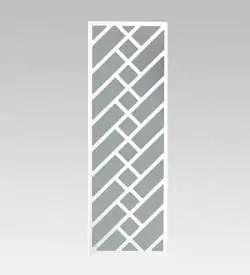
Astonished Pattern Ready Made Cnc Door Window Frame

Arma Glass and Slatted Apartment Steel Door

Armada Double Leaf Villa Entrance Door
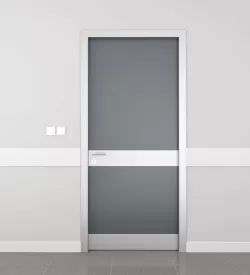
Obsidian Gray Hospital Door with Kick Plate and Stretcher
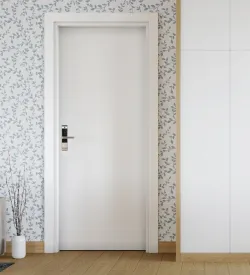
Natural Modern White Fire-Rated Hotel Door
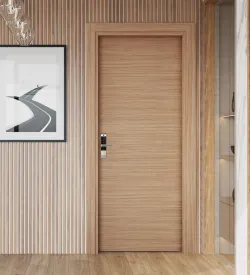
Modern Teak Fire-Rated Hotel Door Compatible with Card Access Systems

Gray Sonoma Card Lock Compatible Fire-Rated Hotel Door
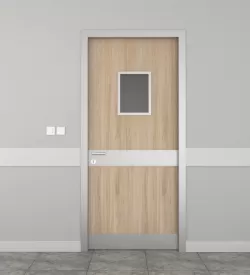
Kazbegi Oak Kick-Resistant Laminate Hospital Door
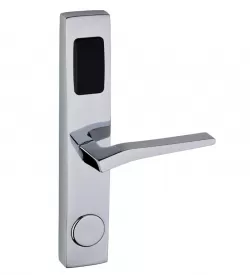
Este Novita Card Reading Hotel Door Lock
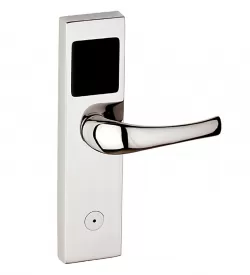
Moderna Tiffany Card Lock Hotel Door Handle
- Blog Comments