
How To Identify Quality In Lacquered Doors?
The quality of lacquered doors is a key factor in determining their durability, aesthetic appeal, and lifespan. To accurately assess this quality, it is important to carefully examine technical criteria such as the material composition, uniformity of the coating, craftsmanship details, and surface smoothness. Lacquered doors are produced using specialized paint techniques that provide high gloss and durability; therefore, any imperfections on the door surface indicate potential production flaws. Additionally, the quality of the internal materials and precision of assembly significantly influence long-term performance. This article thoroughly explores how to evaluate lacquered door quality, which technical features to consider, and the industry standards that define quality.

Lacquered doors are a popular choice in modern architecture and interior design due to their high-quality aesthetic. However, identifying this quality is not always straightforward. Ensuring the door’s longevity and preserving its appearance requires precise application of technical details during production. Therefore, objectively evaluating lacquered door quality is crucial for both consumers and industry professionals.
Understanding lacquered door quality goes beyond visual inspection. It requires a comprehensive assessment of factors such as surface coating, material type, paint quality, and craftsmanship. Each of these elements directly impacts the door’s durability and visual integrity. Moreover, installation and usage conditions also influence perceived quality. This article provides an in-depth explanation of the key technical features and industry criteria that determine lacquered door quality.
How to Identify Quality in Lacquered Doors?
Material Quality and Door Core
One of the primary indicators of lacquered door quality is the durability of the materials used in the door core. Typically, door cores are made from MDF, particleboard, or solid wood. Materials like MDF and particleboard are preferred for ensuring a smooth surface and facilitating even application of lacquer paint. However, the density and moisture resistance of these materials are critical. Low-density or moisture-sensitive materials can lead to warping over time.
Material quality directly affects the door’s durability and service life. Especially for interior lacquered doors, a sturdy core helps maintain the coating’s integrity over time. Therefore, meeting technical specifications and standards in material selection is essential for quality assurance.
Lacquer Coating and Paint Quality
A defining feature of lacquered doors is the glossiness and smoothness of their surface coating. The coating process typically uses high-quality polyurethane or acrylic-based paints. The quality of these paints directly influences the door’s surface durability and aesthetic appeal. Paint thickness, uniformity, and adhesion strength are key technical indicators of lacquered door quality.
Another important aspect during coating is the drying and curing process of paint layers. Surface bubbles, cracks, or color inconsistencies indicate poor coating quality. Such defects can reduce the door’s lifespan and negatively impact its visual quality.
Surface Smoothness and Craftsmanship Details
Surface smoothness is a critical factor in evaluating lacquered door quality. A perfectly flat and flawless surface is important both aesthetically and technically. The surface should be free of ripples, scratches, or dust particles, reflecting high craftsmanship standards during production.
Craftsmanship details include precise edge cutting and careful processing of hinge and lock recesses. These details affect the door’s installation and functional performance. Poor workmanship can lead to operational issues during use.
Durability and Wear Resistance
Another vital aspect of lacquered door quality is the durability of the coating. The surface must resist scratches, impacts, and chemical exposure. These properties help the door maintain its original look over an extended period. Durability tests objectively measure coating quality.
Wear resistance becomes especially important for doors with heavy usage. The coating must withstand scratches and fading. Therefore, the technical properties of the coating materials and application quality are top priorities in determining lacquered door quality.
Installation and Application Quality
Installation quality is a complementary factor in overall lacquered door quality. Proper installation is essential for optimal performance and durability. The quality of accessories used and the precision of the installation process ensure smooth operation.
Installation errors can reduce functionality and cause deformation over time. Professional installation techniques strengthen the overall quality perception. Additionally, smooth operation of opening and closing mechanisms after installation is a key quality indicator.
Standards and Certification
National and international standards play a crucial role in assessing lacquered door quality. These standards define the materials, manufacturing processes, and performance criteria. Certifications provide assurance that the door meets specific quality levels.
Quality certificates and test reports from manufacturers allow objective evaluation of lacquered door quality. These documents verify technical specifications and durability. Compliance with quality standards signals a reliable product in the market.
Maintenance and Longevity
The quality of lacquered doors is closely linked to maintenance practices. Regular cleaning with appropriate materials preserves the coating’s quality. Using abrasive chemicals can damage the surface and reduce quality.
High-quality lacquered doors maintain their performance when used according to maintenance guidelines. Regular inspection and adjustment of mechanical parts extend the door’s service life. Therefore, maintenance conditions should also be considered in quality assessments.
Understanding lacquered door quality requires detailed examination of numerous technical factors from production to installation. Material selection, coating process, craftsmanship, durability, installation quality, and compliance with standards collectively determine the door’s overall performance and aesthetic value. Careful evaluation of these parameters ensures lacquered doors are long-lasting and of superior quality.
İlgili Ürünler
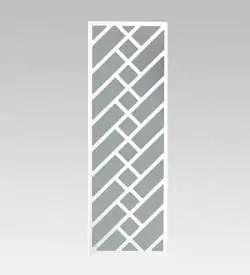
Astonished Pattern Ready Made Cnc Door Window Frame
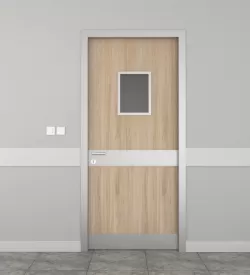
Kazbegi Oak Kick-Resistant Laminate Hospital Door
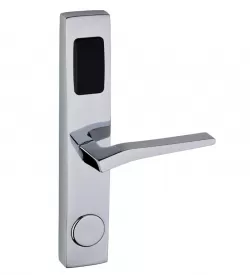
Este Novita Card Reading Hotel Door Lock

Akça Oak 30-Minute Fire-Resistant Hotel Door

Avangard Rondo Hotel Lock with Card Reading

Carpathian Ash Tree Aluminum-Framed Hospital Door

Red Calla Lily Glass and Stretcher-Compatible Laminated Hospital Room Door

Atlantis 30-Minute Fire Certified Card Lock Compatible Hotel Door
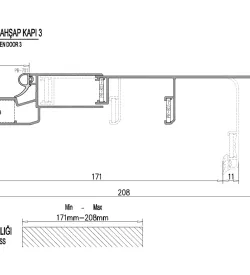
17-20cm Adjustable Aluminum Door Frame

Montana 30-Minute Fire-Resistant Hotel Door
- Blog Comments