
Composite Door or Wooden Door?
The choice between a composite door and a wooden door is a common technical and aesthetic consideration in the construction industry. Composite doors offer advantages such as durability, low maintenance, and resistance to environmental factors, while wooden doors stand out with their natural appearance, insulation properties, and classic aesthetic appeal. This article thoroughly examines the material composition, performance criteria, applications, and maintenance requirements of both door types. Additionally, based on technical insights from composite door blogs, key points to consider during the selection process are explained. This provides a comprehensive and reliable technical guide to help determine which door type is best suited for specific conditions in construction projects or renovations.
Choosing the right door is crucial for a building's security, energy efficiency, and overall aesthetic harmony. Composite and wooden doors are popular options in the construction sector, each offering distinct technical features and benefits. To determine which door type best meets your needs, it is important to evaluate factors such as material properties, durability, and maintenance requirements.
This article approaches the question of composite door versus wooden door from a technical perspective, detailing the structural and performance characteristics of both types. Supported by analyses and information from composite door blogs and industry sources, it aims to provide a clear and accurate resource for construction professionals and consumers alike.
Composite Door or Wooden Door?
Material Composition and Manufacturing Technologies
Composite doors are made from structural panels combining various materials, typically PVC, polyurethane foam, and fiberglass, to ensure high durability and thermal insulation. Advanced manufacturing techniques enhance the door's mechanical strength and resistance to environmental factors. Their uniform structure helps prevent issues like warping and cracking.
Wooden doors are crafted from natural wood, with the type of wood directly influencing durability and aesthetic appeal. Skilled craftsmanship and surface treatments improve their resilience. However, as a natural material, wood requires protection against moisture, temperature fluctuations, and insect damage. Manufacturing processes focus on preserving the wood's structural integrity.
Durability and Mechanical Performance
Composite doors are known for their high mechanical strength, offering strong resistance to impacts, scratches, and wear. Their water and moisture resistance contribute to a long lifespan, making them ideal for exterior use. Surface deformations are minimal, and maintenance needs are low.
Wooden door durability depends on the wood species and surface protection applied. With proper care, their natural flexibility and strength can last for many years. However, exposure to moisture and temperature changes can cause cracking, swelling, or rot. Compared to composite doors, wooden doors have more limited resistance to mechanical impacts, making their usage environment and maintenance critical.
Thermal and Acoustic Insulation
Thanks to insulating materials like polyurethane foam within their core, composite doors provide excellent thermal insulation, enhancing energy efficiency and indoor comfort. Their dense construction also significantly reduces external noise, complemented by effective sealing components.
Wooden doors naturally offer good thermal insulation due to the porous structure of wood, helping maintain indoor temperatures. Acoustic performance varies depending on thickness and design. While wood's sound-absorbing qualities support overall insulation, it may not match the high performance of composite doors.
Aesthetic and Design Variety
Composite doors come in a wide range of colors, textures, and patterns, including wood-look finishes achieved through advanced manufacturing. They can be designed to suit both modern and traditional architectural styles. Their surface coatings resist UV rays and prevent color fading.
Wooden doors provide a warm, natural aesthetic with unique wood grain patterns that add character to spaces. Common design elements include carving, paneling, and various surface treatments. Natural variations in color and texture are typical within production tolerances. Wooden doors are especially favored in classic and rustic designs.
Maintenance and Longevity
Composite doors require minimal maintenance, with surfaces that are easy to clean and no need for special protective treatments. Their resistance to water and chemicals helps maintain their form over time, offering cost-effective durability and reducing upkeep efforts.
Wooden doors need regular surface protection and moisture control, including varnishing, painting, or oiling to enhance durability. These maintenance tasks extend the door's lifespan but require more time and expense. Neglected wooden doors face increased risks of deformation and decay.
Environmental Impact and Sustainability
Composite doors are made from recyclable materials, though some chemicals used in production may have environmental effects. Their long lifespan and low maintenance reduce their overall environmental footprint. Energy-saving insulation features also support sustainable building practices.
Wooden doors are produced from natural, renewable wood, making them an important sustainable option. Environmental impact varies depending on sustainable forestry practices. Their recyclable and biodegradable nature is environmentally favorable. Proper care and use help minimize ecological effects.
Pricing and Economic Considerations
Composite doors typically fall into mid to high price ranges due to manufacturing technologies and materials used. Their long lifespan and low maintenance costs lower total ownership expenses. Energy-saving insulation also offers economic benefits. Price-performance balance is supported by technical advantages.
Wooden door prices vary based on wood type, craftsmanship, and surface treatments. Initial costs may fluctuate compared to composite doors, but maintenance and repair expenses can increase over time. Economic evaluation should consider lifespan and upkeep needs. Wooden doors are often chosen for their aesthetic and natural appeal in specific projects.
The decision between composite and wooden doors depends on intended use, environmental conditions, and technical expectations. Both door types have unique advantages and limitations. By carefully examining technical features, durability, insulation performance, and maintenance requirements, the right door choice can be made for construction projects. Composite door blogs and industry resources provide up-to-date technical information to support informed decision-making.
İlgili Ürünler

Ado Door Model 100 Wooden Composite Door
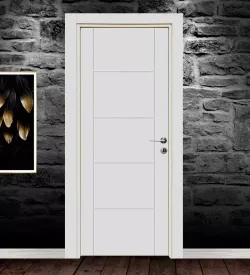
Ado Door 500 Wood Composite Door

Ado Door Model 410 Composite Panel Door Without Glass

Ado door 3000 Composite Room Door
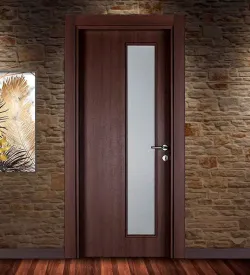
Ado Door Model 103 Composite Door

Ado Composite Door 2000 Interior Room Door
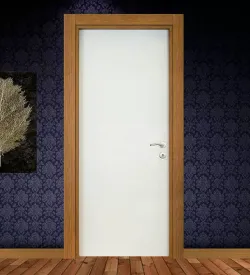
Ado Door Model 101 Wooden Composite Door
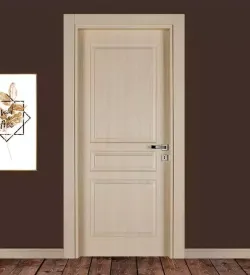
Ado Door Model 300 Composite Door Without Glass

Ado Door 330 Wood Composite Door Without Glass

Ado 3122 Office Type Composite Door
- Blog Comments