
Compact Cabin Design Trends For Shopping Mall Projects
Within the scope of shopping mall projects, compact cabin design trends play a critical role in terms of the functionality and aesthetic integrity of shopping center cabins. Modern cabin designs are optimized to provide maximum efficiency in limited spaces, while offering solutions that are compatible with shopping mall interior design and enhance user experience. Compact cabin models are among the preferred elements in shopping mall projects due to their visual appeal and durability features. In this context, shopping mall cabin innovations and cabin decoration trends are shaped in light of industry developments, and functional cabin solutions are planned to meet both business needs and customer expectations. From a technical perspective, material selection, modular design approach, and ergonomics are the fundamental building blocks of compact cabin trends. This content provides comprehensive information by examining current design approaches and sectoral innovations for shopping mall cabins in detail, contributing to the successful implementation of shopping mall projects.
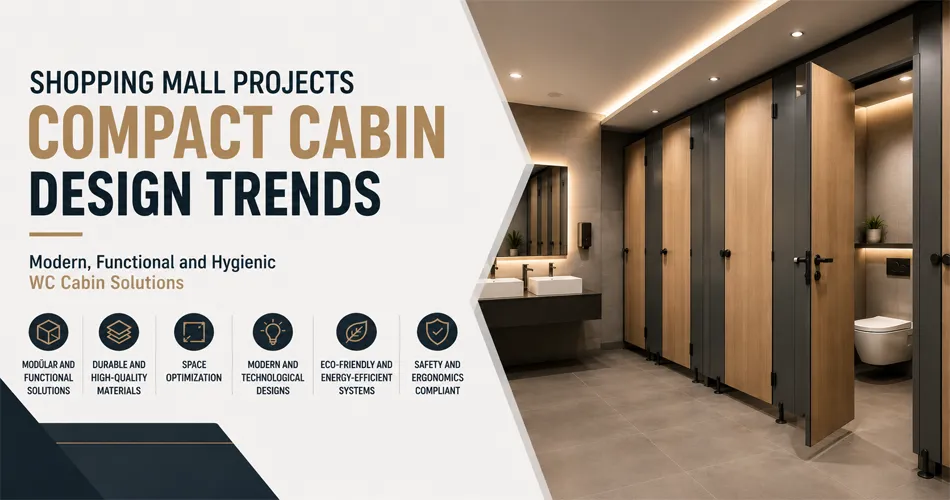
Cabin designs used in shopping malls are of great importance in terms of the overall aesthetics and functionality of the space. Especially cabins located in limited areas within shopping malls are equipped with compact and functional solutions that respond to both customer and business needs. Compact cabin trends today are shaped by modern cabin designs preferred in shopping mall projects. These designs optimize space usage while adding visual value to the environment.
The role of cabins in shopping mall interior design is not limited to providing sales areas; they also stand out as structures that reflect brand identity, enhance customer experience, and integrate with the overall concept of the space. Therefore, compact cabin models developed for shopping mall cabins must meet high standards both aesthetically and technically, supported by functional cabin solutions. This article will thoroughly address current trends, innovations, and application examples in the field of shopping mall cabin design.
Compact Cabin Design Trends for Shopping Mall Projects
Modularity in Functional Cabin Solutions
Modular design offers flexibility and easy assembly advantages in shopping mall cabins. Thanks to their modular structures, compact cabin models can be easily adapted to different spaces and quickly rearranged when necessary. This feature facilitates the integration of cabins into areas of varying sizes within shopping mall projects. Modular cabin systems save on material usage and can be customized according to business needs.
Modularity also simplifies maintenance and repair processes. Replacement or addition of cabin parts can be carried out quickly and cost-effectively. This provides long-lasting and sustainable solutions for shopping mall cabins. From a technical standpoint, the durability of connectors and materials used in modular cabins directly affects the success of the design.
Durability and Aesthetics in Material Selection
Material selection in shopping mall cabin design is a critical parameter both for durability and visual appeal. Compact cabin trends prioritize the use of modern materials such as high-strength laminate panels, tempered glass, and aluminum profiles. These materials ensure that cabins withstand intensive usage conditions.
From an aesthetic perspective, surface textures and color options should be compatible with the overall design concept of the space. The combination of matte and glossy surfaces adds a modern and stylish look to shopping mall cabins. Additionally, environmental sustainability criteria are becoming increasingly important in material selection. Accordingly, recyclable and eco-friendly materials are preferred.
Space Optimization in Compact Cabin Models
Efficient use of space in shopping malls is one of the primary objectives of compact cabin designs. Compact cabin models are planned to offer maximum functionality within limited square meters. To this end, solutions such as multi-purpose storage areas, foldable counters, and ergonomic shelving systems have been developed.
Space optimization aims to increase product display capacity without obstructing customer movement. Therefore, interior arrangements of cabins are designed to be user-friendly and accessible. Moreover, the integration of cabins with the shopping mall interior design requires a holistic approach to space utilization.
Technology Integration and Smart Designs
Technology integration in modern shopping mall cabin designs is an important element that enhances customer experience. Digital screens, touch panels, and LED lighting systems are among the compact cabin trends. These technologies support product promotion while increasing the visual appeal of the cabins.
Smart designs include lighting and climate control systems that provide energy efficiency. Furthermore, electronic security solutions used in cabins ensure product protection and enhance business security. The integration of technological infrastructure into cabin design offers innovative and functional solutions in shopping mall projects.
Cabin Decoration Trends and Brand Identity
In cabin decoration, unique designs reflecting brand identity are prioritized. Shopping mall cabin innovations combine aesthetics and functionality to present concepts that attract user attention. Color palettes, lighting, and material combinations strengthen brand perception in shopping mall cabins.
Minimalist and contemporary design approaches are frequently preferred in modern cabin designs. Additionally, the use of natural materials and textures creates warm and inviting environments. These approaches ensure that cabins are compatible with shopping mall interior design both visually and functionally.
Environmental Sustainability and Energy Efficiency
Environmental sustainability has become a priority criterion in shopping mall projects today. It is important that materials used in compact cabin models are eco-friendly, recyclable, and have a low carbon footprint. This approach provides long-term environmental benefits for shopping mall cabins.
Moreover, energy-efficient lighting and heating systems are widely used in cabin designs. LED technology and sensor systems minimize energy consumption while reducing operational costs. These factors support sustainability and economic efficiency in shopping mall cabin design.
Safety Standards and Ergonomics
Compliance with safety standards in shopping mall cabins is a fundamental requirement for both staff and customers. Cabin designs prioritize the use of materials compliant with fire regulations, emergency exit plans, and ergonomic arrangements. Ergonomics means optimizing movement space inside the cabin and improving working conditions.
Ergonomic cabin designs enable users to work comfortably and efficiently. Additionally, compatibility of cabins with shopping mall interior design offers comprehensive solutions in terms of safety and comfort. In this context, the placement and design of cabins must comply with standards both aesthetically and functionally.
Compact cabin design trends in shopping mall projects are shaped by multidimensional criteria such as functionality, aesthetics, sustainability, and technological integration. Shopping mall cabins are equipped with modular structures, durable materials, and energy-efficient systems within the scope of modern cabin designs. Thus, cabins provide long-lasting and aesthetic solutions that meet both business needs and customer expectations. Considering elements such as space optimization, safety, and ergonomics in design supports the holistic success of shopping mall interior design. Current cabin decoration trends and innovative applications enhance the functionality of shopping mall projects while enabling effective reflection of brand identities.
İlgili Ürünler
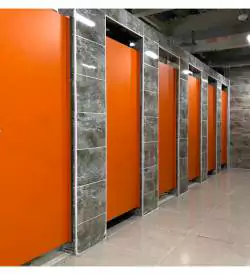
Compact Laminate Wc Doors
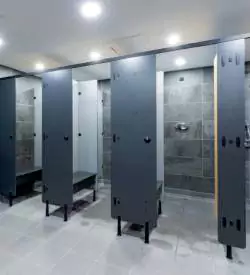
Compact Laminate Shower Partitions
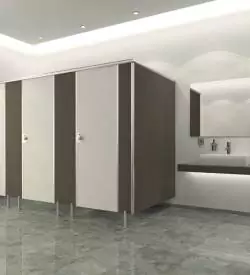
Double Color Compact Laminate Wc Partitions
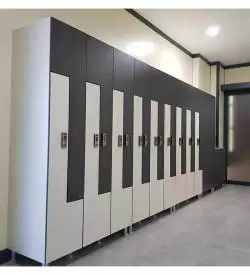
Z Door Compact Laminate Locker

Aluminum Frame Laminated Door with Steel Reinforcement
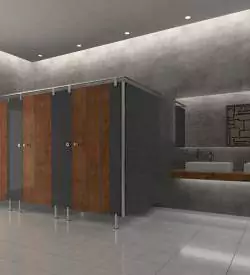
Compact Laminate Wc Doors And Partitions

Double Color Two Door Compact Lockers
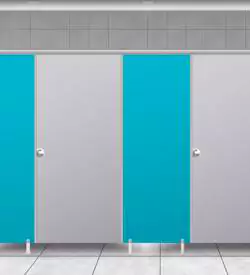
Armonis Series Compact Laminate Wc Partition
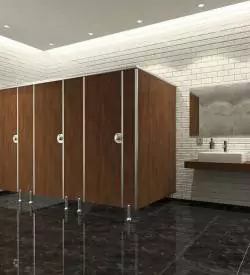
Single Color Compact Wc Partitions
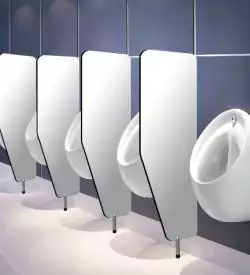
Classic Model Compact Laminate Urinal Partitions
- Blog Comments