
Aluminum Framed Laminate Doors - Benefits And Applications
Laminate doors are among the most popular door types in modern buildings due to their durability, aesthetic harmony, and easy maintenance. However, the door leaf alone does not determine the true performance of a laminate door; the door frame is just as critical. In this context, aluminum framed laminate doors stand out as superior solutions, especially in environments demanding long service life, impact resistance, and high hygiene standards.
In this article prepared for your “Laminate Doors” blog category, we will explore in detail and with technical insight what aluminum framed laminate doors are, their technical advantages, where they are used, and key considerations when purchasing.
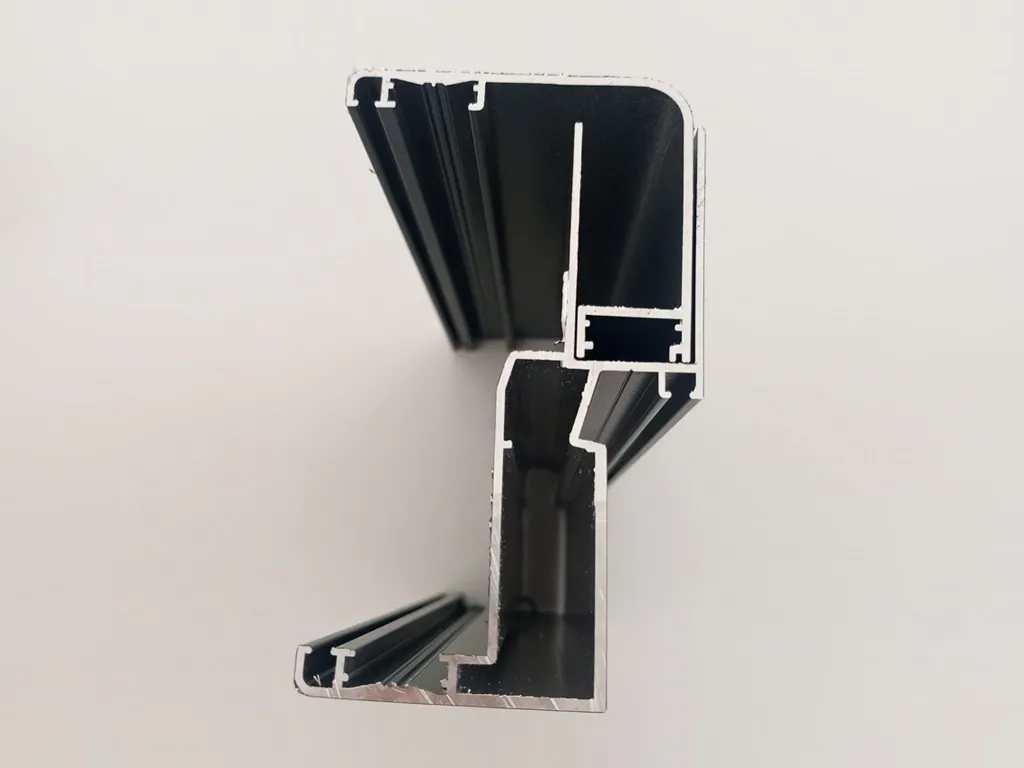
The biggest advantage of aluminum frames is their stability against moisture, impact, heavy use, chemical cleaning, and constant circulation. For this reason, aluminum frame systems should be regarded not just as “doors” but as architectural performance components.
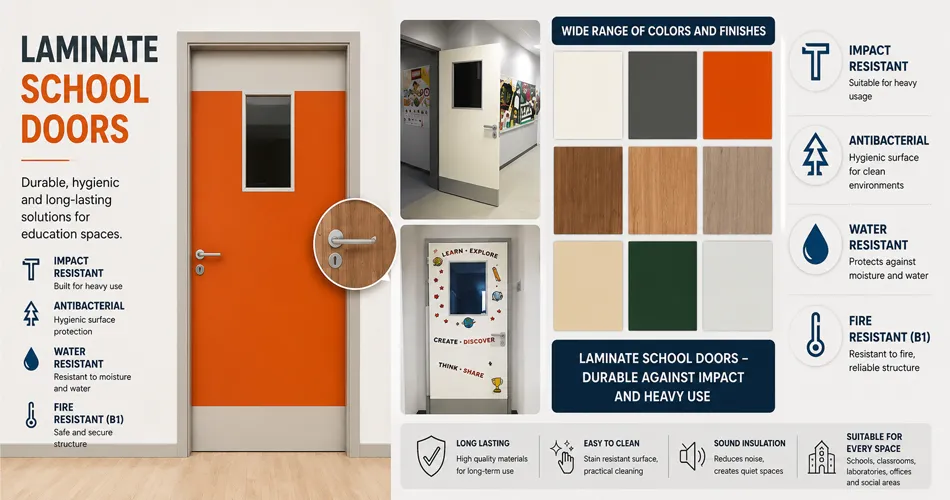
What Are Aluminum Framed Laminate Doors?
An aluminum framed laminate door features a laminate surface door leaf combined with an aluminum profile frame. The system consists of the following main components:
- Laminate door leaf (HPL/CPL surface)
- Aluminum door frame (profile)
- Seal channel + gasket system (for sound and dust control)
- Hinge system (designed for heavy use)
- Lock and strike plate systems
This construction transforms the door into not only a visual element but also a highly durable structural component.
What Does the Combination of Laminate Surface and Aluminum Frame Offer?
The laminate surface stands out for its scratch resistance and ease of cleaning, while the aluminum frame provides deformation and impact resistance. Together, they deliver highly efficient results, especially in commercial buildings with daily heavy use.
Key benefits include:
- Resistance to moisture (especially on the frame side)
- Impact and collision durability
- Stable door alignment (reduces sagging over time)
- Hygiene advantages (frame surfaces are easier to clean)
- Lower maintenance costs
- Long-term total cost of ownership benefits
Where Are They Best Suited?
Aluminum framed laminate doors are commonly used in:
- Hospitals and clinics
- Schools and dormitories
- Hotels
- Shopping malls, offices, and commercial complexes
- Laboratories
- Manufacturing facilities and technical rooms
These environments share characteristics such as heavy foot traffic, frequent cleaning needs, and risk of impact. Therefore, this door type is considered a project-grade door rather than a residential door.
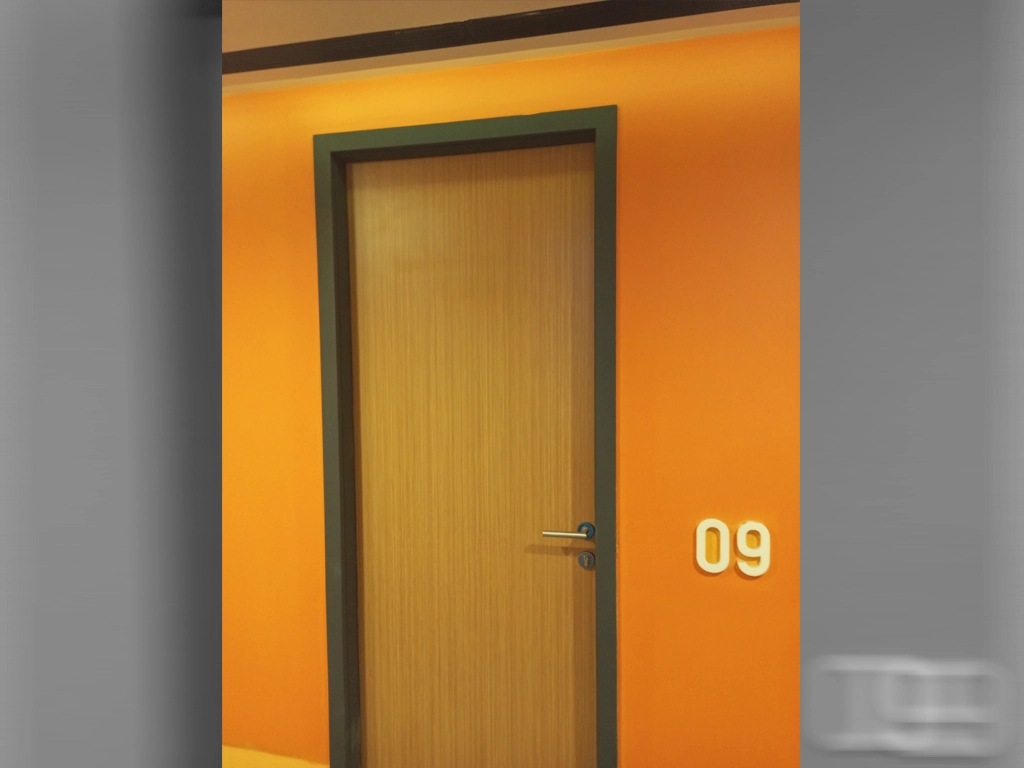
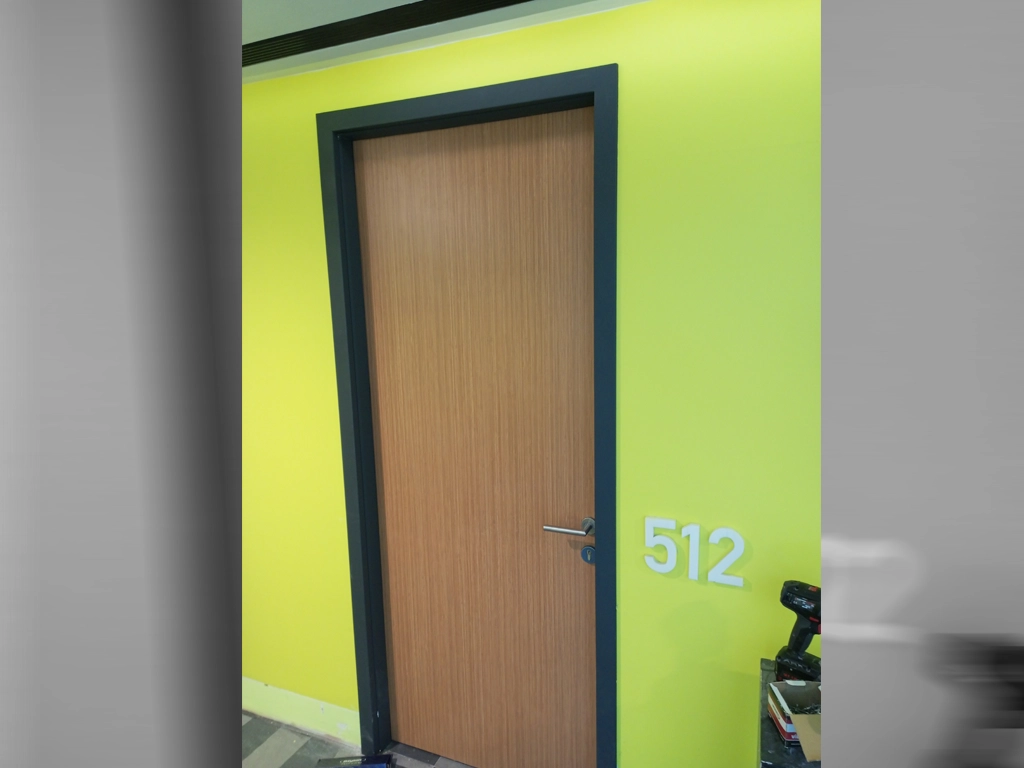
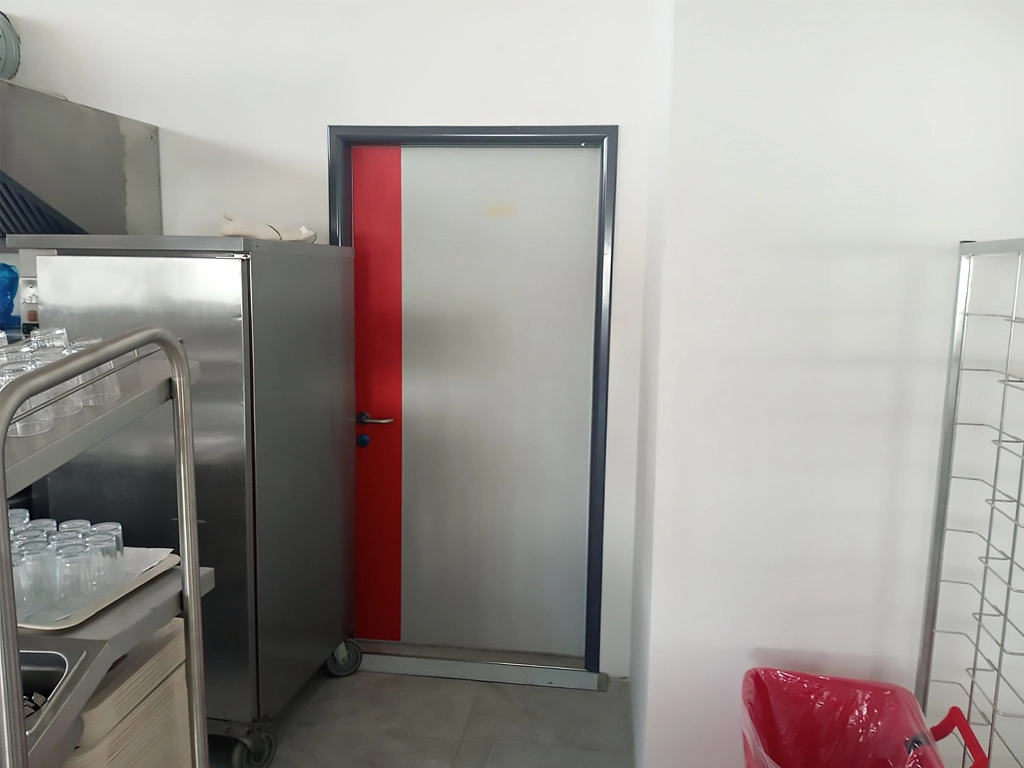
Technical Advantages of Aluminum Frames
The widespread use of aluminum frames in projects is driven by technical reasons beyond aesthetics.

1) Stability Against Moisture and Water
Wood or MDF-based frames can swell and deform over time due to moisture. Aluminum frames, when properly anodized or electrostatically coated, will:
- Not swell,
- Not crack,
- Maintain their dimensions,
- Keep frame-to-door alignment stable for longer periods.
This is especially critical in buildings where cleaning staff frequently perform wet wiping.
2) Impact Resistance and Corner Strength
The most vulnerable part of doors is the frame corners. In cases of door impacts, stretcher or service cart contact, or heavy foot traffic:
- Metal frame corners absorb impacts better,
- Surface damage occurs more slowly,
- Aesthetic deterioration is delayed.
3) Stronger Support at Hinge and Lock Areas
In heavily used doors, the hinge area can weaken over time under load. Aluminum frames combined with proper fasteners:
- Provide more secure screw anchoring,
- Reduce adjustment loss and sagging,
- Extend door lifespan.
Types of Aluminum Frames (Choosing the Right One for Your Project)
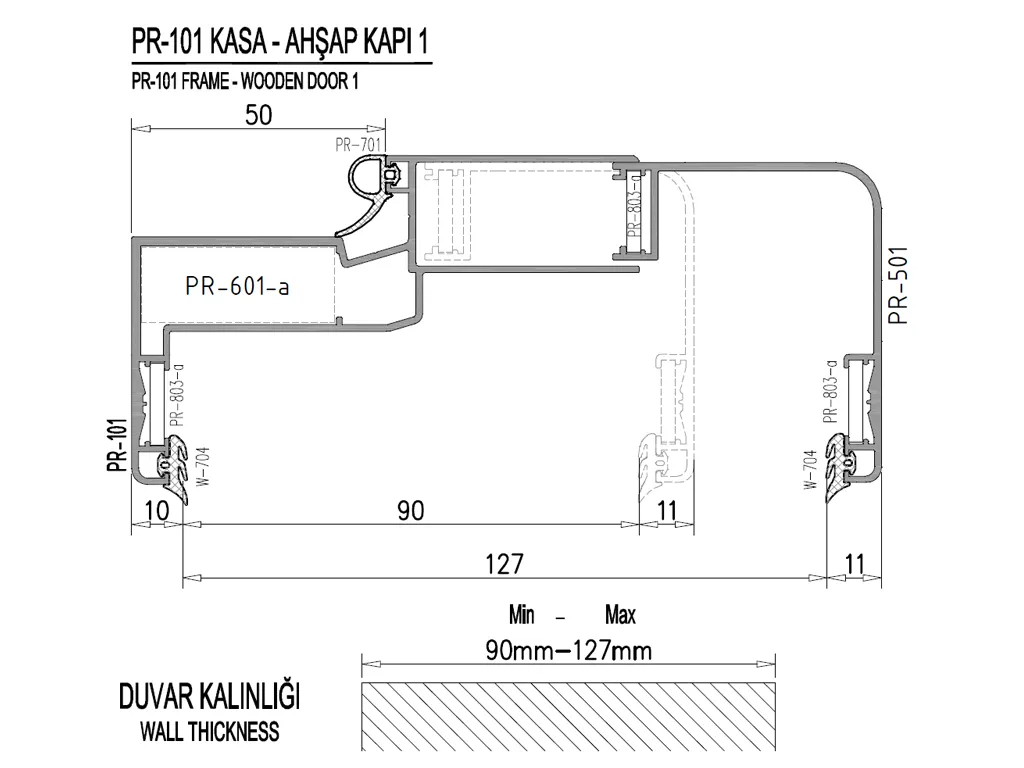
Selection of aluminum frames depends on the wall type in the project.
Frame Types by Wall Construction
- Partition walls (drywall/plasterboard)
- Concrete or brick walls
- Ceramic tiled walls
- Plastered walls
It is crucial that the frame perfectly matches the wall thickness and is installed correctly. Otherwise, even the highest quality door can become a "door that won’t hold adjustment."
Technical Parameters Defining Quality
A door’s quality is not just about being "stylish" and "durable." Clear technical criteria must be considered.
The following technical factors directly affect the quality of aluminum framed laminate doors:
Core Filling of the Door Leaf
- Honeycomb core (lightweight, economical)
- MDF core (denser and more durable)
- Particleboard core (mid-level)
- Mineral wool core (for sound insulation)
Type of Laminate
- CPL: standard interior use
- HPL: higher impact and scratch resistance (recommended for project applications)
Edge Banding and Impact Protection
The edges of the door leaf are most exposed to impact. Therefore, details such as:
- Thickness of PVC edge banding,
- Optional aluminum edge profiles,
- Door bottom sweep/threshold profiles
help extend the door’s lifespan.
Installation and Application: Where the Door’s Lifespan Is Determined
Aluminum framed laminate doors are strong, but improper installation can negate this strength.
Key installation considerations include:
Frame Plumb and Level Adjustment
If the frame is not perfectly vertical and level:
- The door leaf will rub,
- The latch won’t engage properly,
- The seal won’t compress correctly,
- Sound and dust leakage may occur.
Fixing Points
The frame must be secured to the wall with sufficient fasteners in the correct locations.
- Too few screws = functional but weak,
- Wrong locati flexes,
- Incorrect anchors = loosen over time.
Use of Seals
Quality aluminum frames include a seal channel that:
- Reduces sound transmission,
- Provides a solid closing feel,
- Limits dust infiltration.
Maintenance and Cleaning Recommendations
One reason these doors are preferred is their ease of cleaning.
- Avoid abrasive brushes or sponges
- Harsh solvents (like paint thinner) can damage surfaces over time
- If antibacterial surfaces are desired, consider HPL options
- Inspect hinges and locks annually
Frequently Asked Questions
Aluminum framed laminate door or steel framed laminate door?
Both are used in projects. Aluminum frames generally offer:
- Lighter weight,
- No risk of rust,
- Easy cleaning,
- Long-term stability.
Steel frames may be preferred in some projects for cost-performance and robustness. The choice depends on the specific project conditions.
Do aluminum frames bend over time?
With the right profile thickness, proper installation, and correct fastening, bending is very unlikely. When it occurs, it is usually due to:
- Poor installation,
- Incorrect wall measurements,
- Impact damage.
Related Content and Resource Recommendations
Aluminum Frames Elevate Laminate Doors to “Project Standard”
Aluminum framed laminate doors are a smart investment for buildings with heavy use, high hygiene requirements, and expectations for long service life. The scratch- and cleaning-resistant laminate surface combined with the stability of aluminum frames creates a solution that is both aesthetically pleasing and technically robust.
Content Note (Expertise and Technical Criteria)
This content was prepared considering the durability performance of aluminum frame profiles in project applications, types of laminate surfaces (CPL/HPL), and installation standards for high-traffic areas. When selecting doors, it is important to evaluate not only visual aspects but also frame stability, surface durability, hinge systems, and installation accuracy together.
Field Experience and Practical Feedback
Common issues in high-traffic buildings (hospitals, schools, hotels, etc.) include frame deformation, hinge wear, and surface abrasion from cleaning. Aluminum framed laminate doors are designed to minimize these risks and reduce maintenance needs over time.
Updates and Technical References
Standards for door dimensions, hinge load capacity, laminate types, and installation methods may vary by project. Therefore, it is recommended to review technical specifications before making a selection.
Aluminum Frame Laminate Doors - Durability, Hygiene, and Long-Lasting Solution - Sık Sorulan Sorular
İlgili Ürünler
Astonished Pattern Ready Made Cnc Door Window Frame
Arma Glass and Slatted Apartment Steel Door
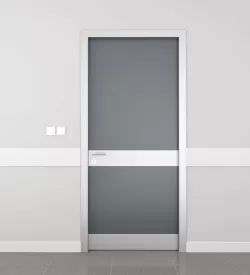
Obsidian Gray Hospital Door with Kick Plate and Stretcher
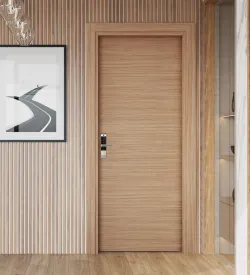
Modern Teak Fire-Rated Hotel Door Compatible with Card Access Systems
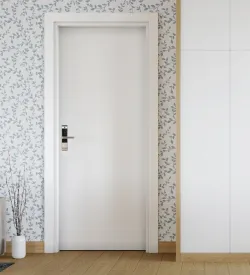
Natural Modern White Fire-Rated Hotel Door
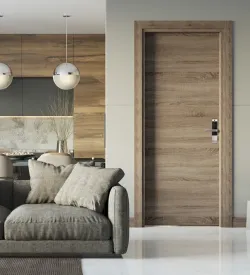
Gray Sonoma Card Lock Compatible Fire-Rated Hotel Door
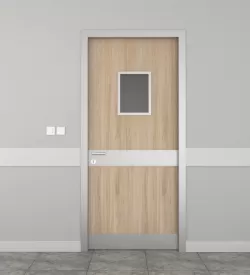
Kazbegi Oak Kick-Resistant Laminate Hospital Door
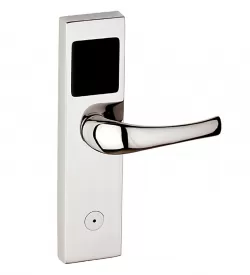
Moderna Tiffany Card Lock Hotel Door Handle

Akça Oak 30-Minute Fire-Resistant Hotel Door

Alya Fire-Resistant Hotel Room Door
- Blog Comments